Custom Software Development
Custom software built around the way your business works.
i-360 plans and develops secure business applications for organizations whose workflows, users, permissions, data, integrations, or reports are not served well by standard software.
Typical deliverables
- Business workflow discovery and software scope planning
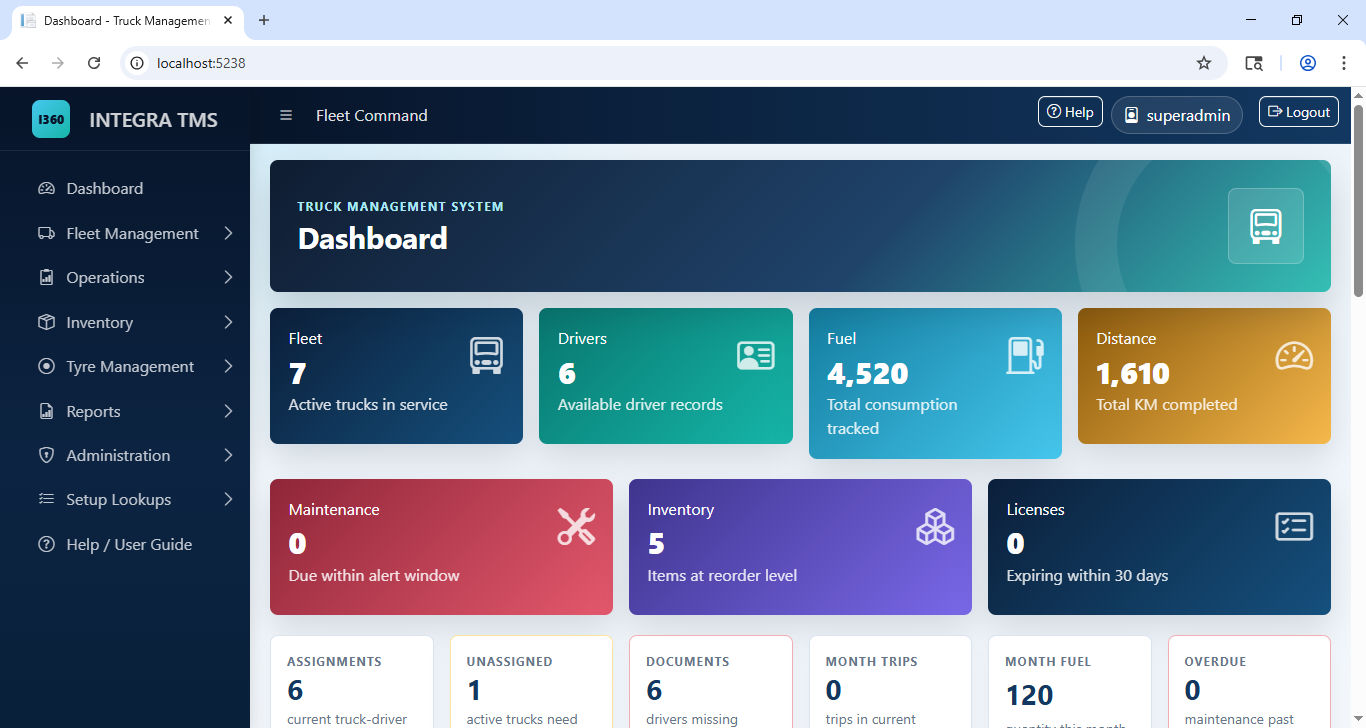
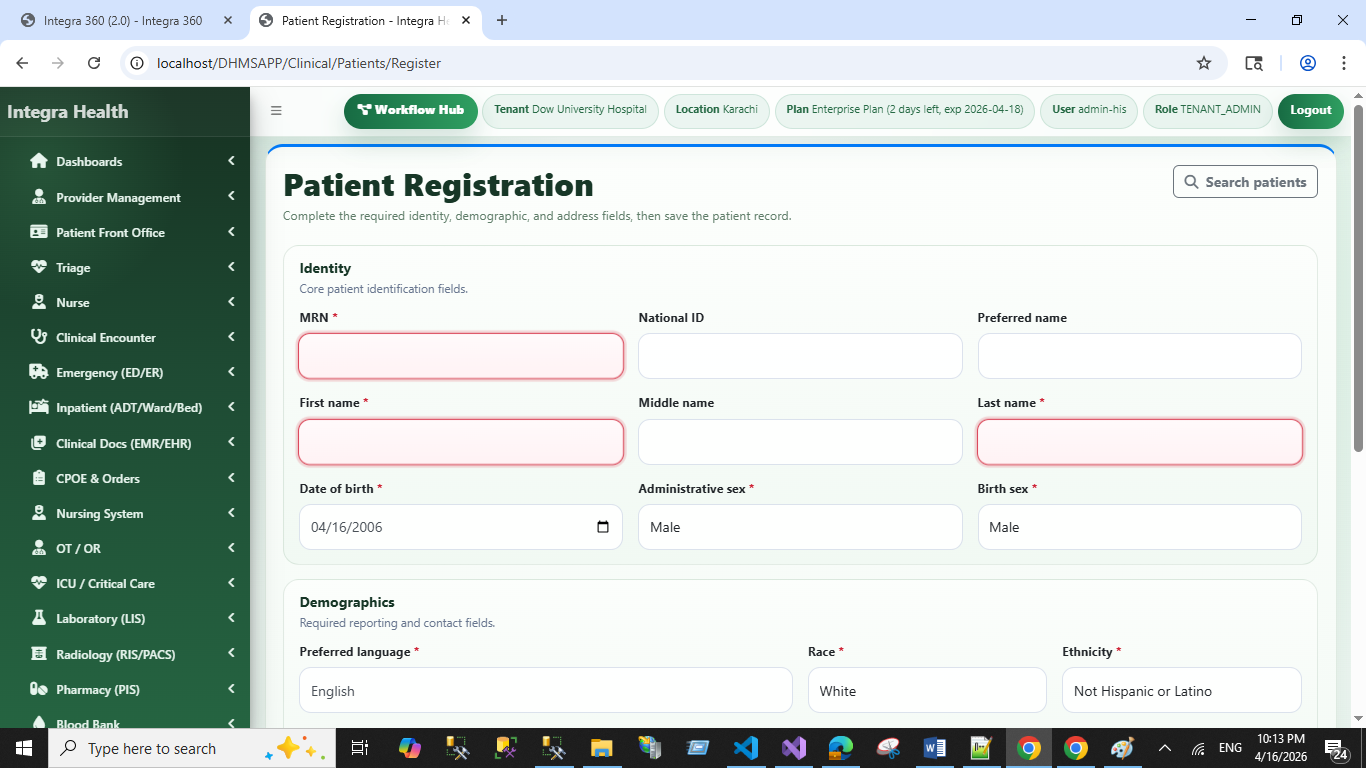
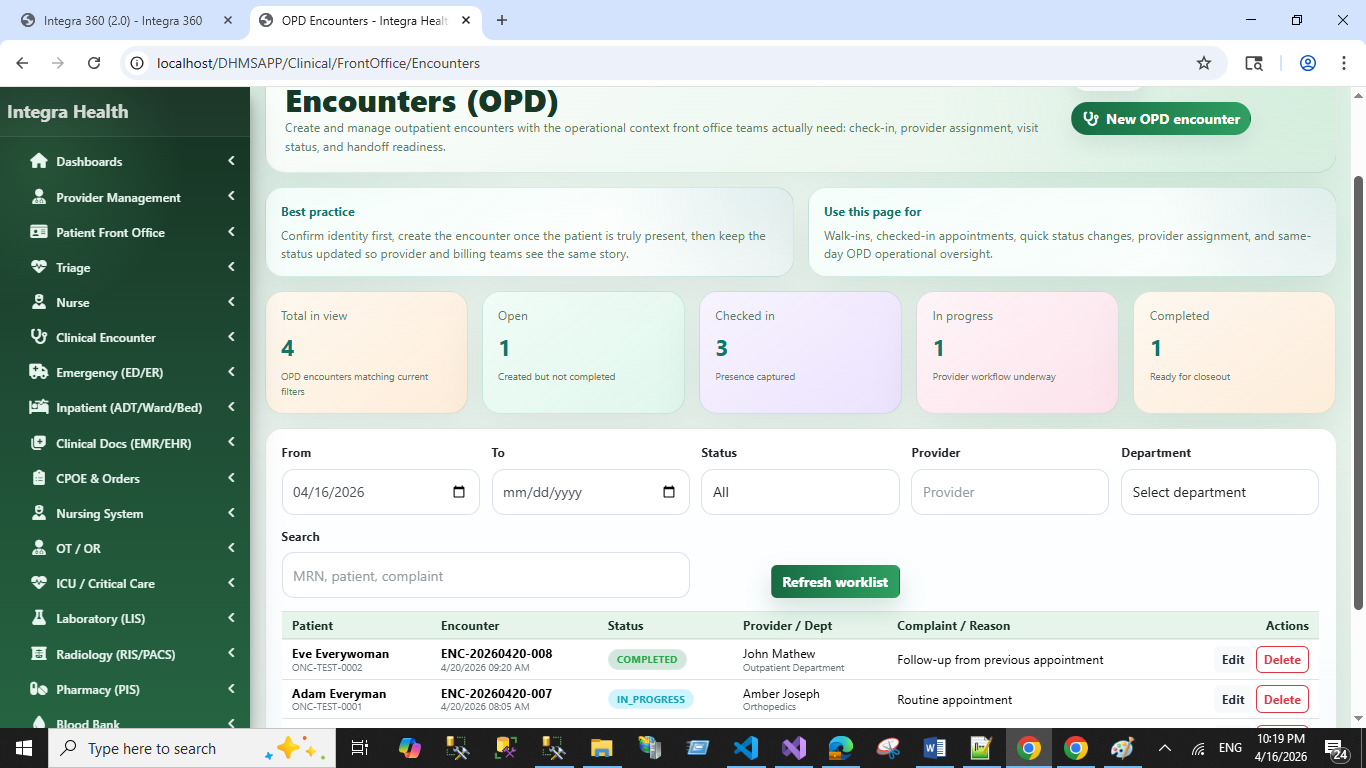
- Role-based web applications and internal portals
- Dashboards, reports, and operational views
- API-ready architecture and integration support
Discovery Before Development
We document the current workflow, user roles, data movement, business rules, integrations, reports, security needs, and deployment constraints before defining modules and delivery phases.
A Working Business Asset
The approved scope can produce an internal system, customer portal, admin application, workflow platform, operational dashboard, API-enabled service, or a phased combination of these components.
Designed for Daily Operations
Interfaces, permissions, validations, exceptions, audit needs, exports, and reports are shaped around the people who will use and support the system after deployment.
What the engagement defines
A custom software proposal should state the application modules, supported users, integrations, migration needs, acceptance criteria, deployment responsibilities, client inputs, exclusions, and support scope. Delivery can begin with a focused MVP or proceed through planned phases where the business needs gradual adoption.
Start a Conversation
Turn your workflow into a clear software scope.
Share the current process, users, modules, data, integrations, reports, timeline, and deployment environment. i-360 can help organize those requirements into a practical delivery plan.
Book a free consultationCustom Software FAQ
Planning a purpose-built application
When is custom software a better fit than an off-the-shelf tool?
It may be appropriate when essential workflows, permissions, integrations, reporting, or data rules cannot be supported reliably by available products. Discovery should confirm that need before development begins.
What information is needed for an estimate?
Useful inputs include users and roles, required modules, existing data, integrations, reports, security expectations, deployment environment, target timeline, and any current forms or workflow documents.
Can the application be delivered in phases?
Yes. Core workflows can be prioritized for an initial release, followed by additional modules, integrations, reports, and improvements after review.
Can custom software connect to existing systems?
Where supported interfaces and access are available, the scope can include APIs, data exchange, middleware, validation, reconciliation, and operational error handling.
Does custom software include testing and deployment planning?
Testing, environments, configuration, deployment, acceptance criteria, and handoff should be defined as part of the approved scope.
Can AI features be added later?
Yes, when they support a defined business need and the application architecture, permissions, data, evaluation, and review requirements can support them safely.