Older customer-management system
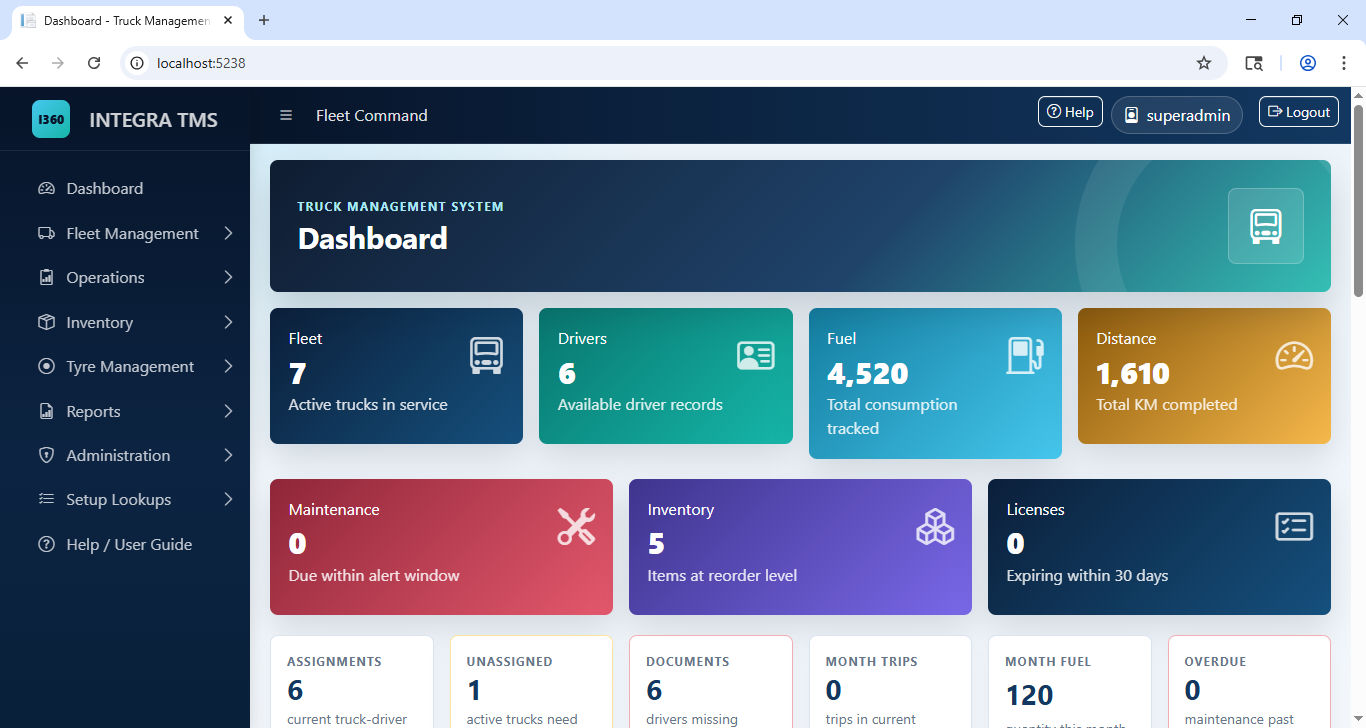
A legacy application with valuable customer records but limited reporting can gain secure APIs, controlled natural-language search, customer summaries, workflow notifications, and modern reporting.
Legacy System Modernization
i-360 assesses older applications and introduces targeted improvements through modern interfaces, APIs, reporting, automation, AI-assisted features, or phased replacement based on technical evidence and operational risk.
The assessment identifies business-critical workflows, dependencies, data stores, interfaces, security constraints, support risks, and the parts of the system causing the greatest operational friction.
Recommendations may include stabilization, refactoring, a secure integration layer, selected APIs, modern authentication, a new web interface, improved reporting, or a staged rebuild. Not every legacy system needs immediate replacement.
Where useful and technically feasible, an older system can gain controlled search, document assistance, summary generation, workflow alerts, or reporting narratives through a separate service layer and explicit permissions.
The engagement can produce a current-state assessment, risk and dependency register, target architecture, prioritized modernization roadmap, selected working improvements, migration or integration plan, test approach, deployment plan, and documentation for the completed phase.
Practical Examples
These examples are possible modernization patterns, not promises that every legacy system supports the same features. Feasibility depends on source access, architecture, data quality, security, and hosting constraints.
A modern integration and AI layer connected to the existing application, subject to the system’s technical feasibility.
Companies with older custom software, businesses using desktop or legacy web applications, organizations with important systems that cannot be replaced immediately, and companies planning phased modernization.
A legacy application with valuable customer records but limited reporting can gain secure APIs, controlled natural-language search, customer summaries, workflow notifications, and modern reporting.
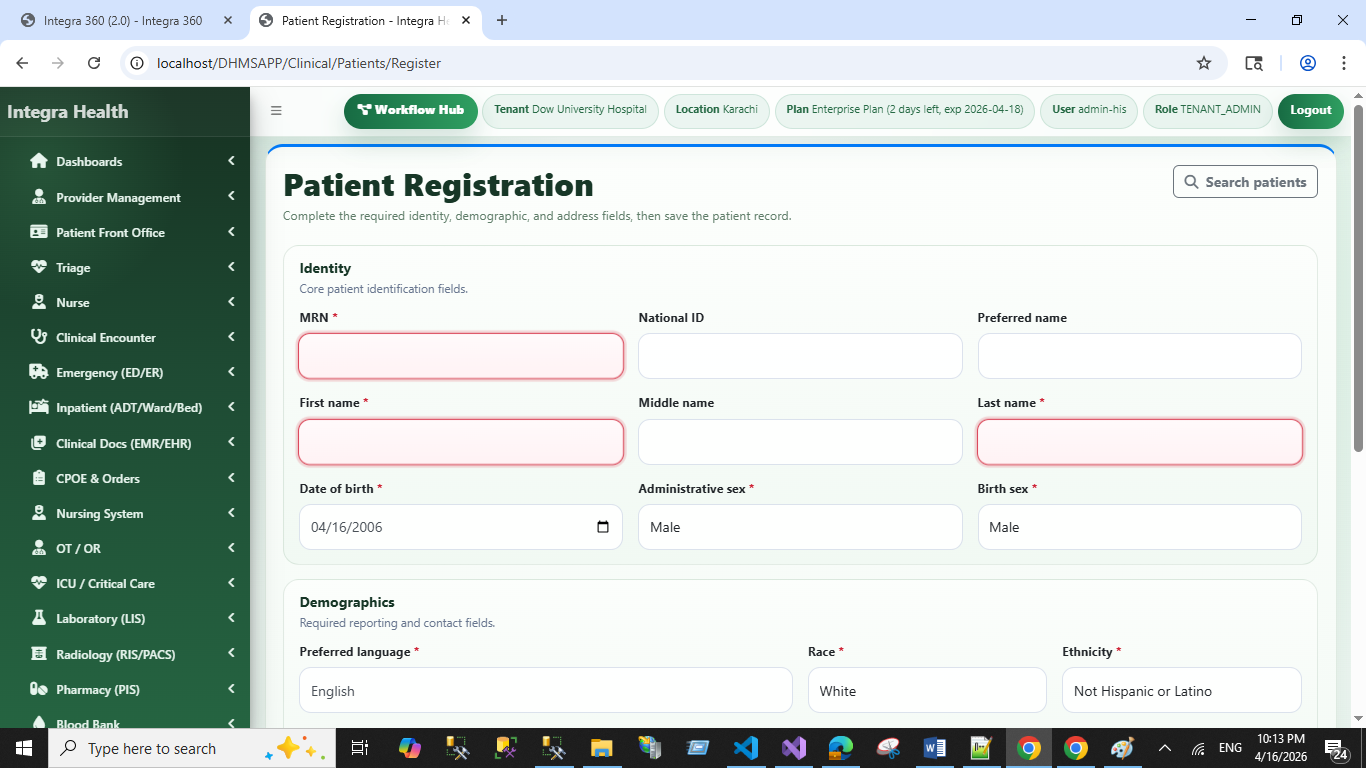
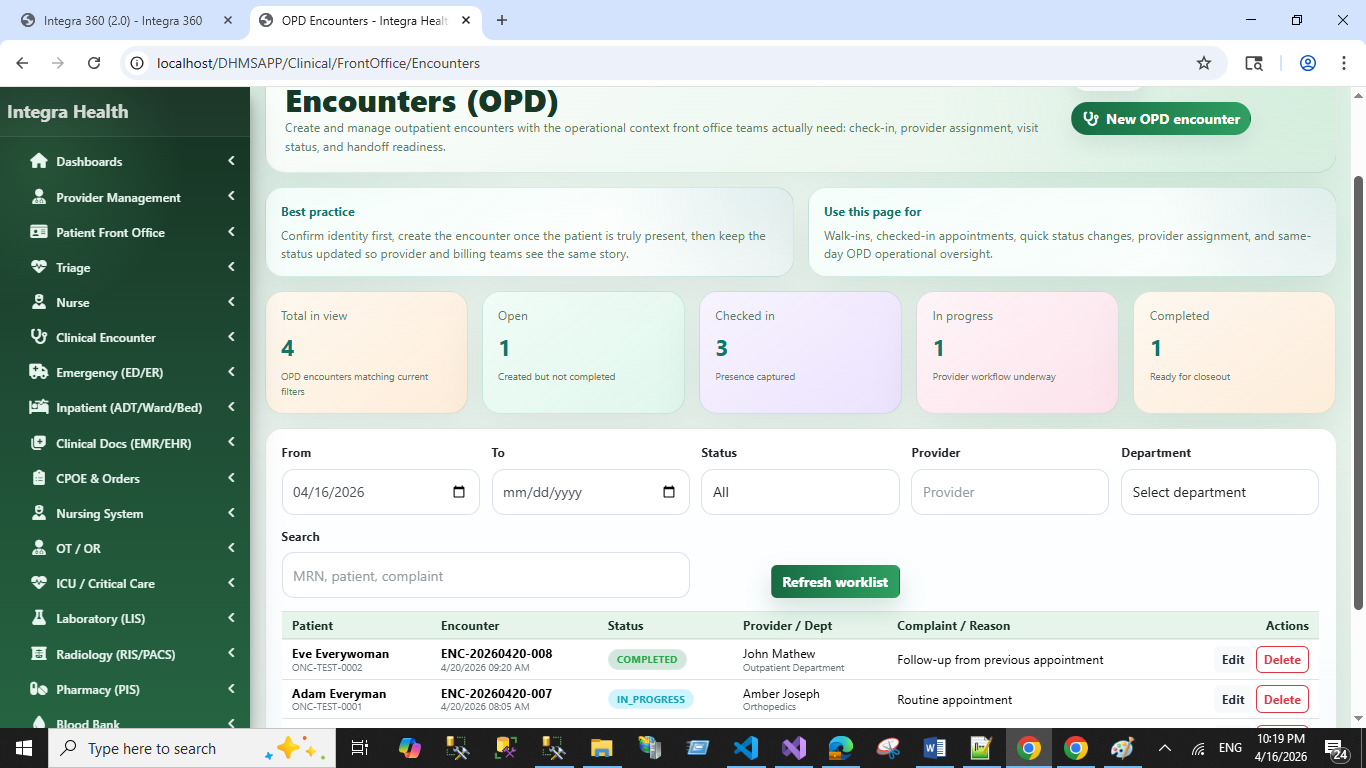
An older healthcare application may add controlled document summaries, a policy assistant, modern authentication, improved audit logging, and FHIR or API integration where technically supported.
A warehouse application can be assessed for document extraction, exception reporting, internal AI search, workflow alerts, and modern dashboard access.
Start a Conversation
Share the application stack, current users, critical workflows, known constraints, integrations, data, deployment environment, support concerns, and desired improvements.
Book a free consultationLegacy Modernization FAQ
No. Depending on evidence, the appropriate path may be integration, interface improvement, reporting upgrades, refactoring, selected replacement, or a phased rebuild.
Critical workflows and rules are documented and tested before changes are introduced. The migration and acceptance approach should identify behavior that must remain consistent.
Yes, where the application and data permit it. A secure integration or reporting layer can deliver value before a broader replacement decision.
Yes, but data profiling, mapping, cleanup, validation, reconciliation, cutover, and rollback requirements must be scoped explicitly.
Potentially. Feasibility depends on data access, permissions, integration options, hosting, security, and whether the AI feature has a defined and testable use case.
Risk can be reduced through staged delivery, test environments, backups, acceptance criteria, migration rehearsal, parallel operation where appropriate, and a documented rollback approach.