Business Process Automation
Business process automation across teams, systems, and decisions.
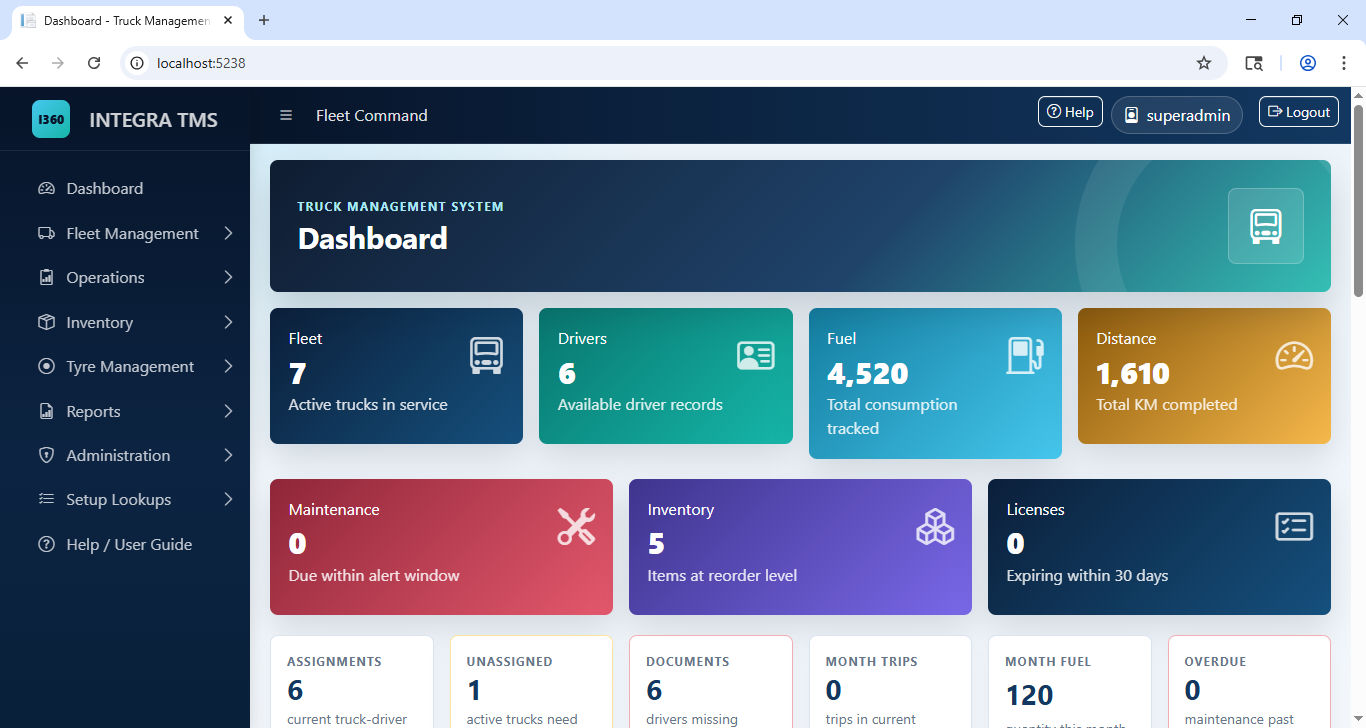
i-360 designs connected processes for operations, finance, sales, administration, purchasing, customer service, and reporting so work is assigned, tracked, reviewed, and measured through a consistent system.
Business automation scope
- Process analysis and automation planning
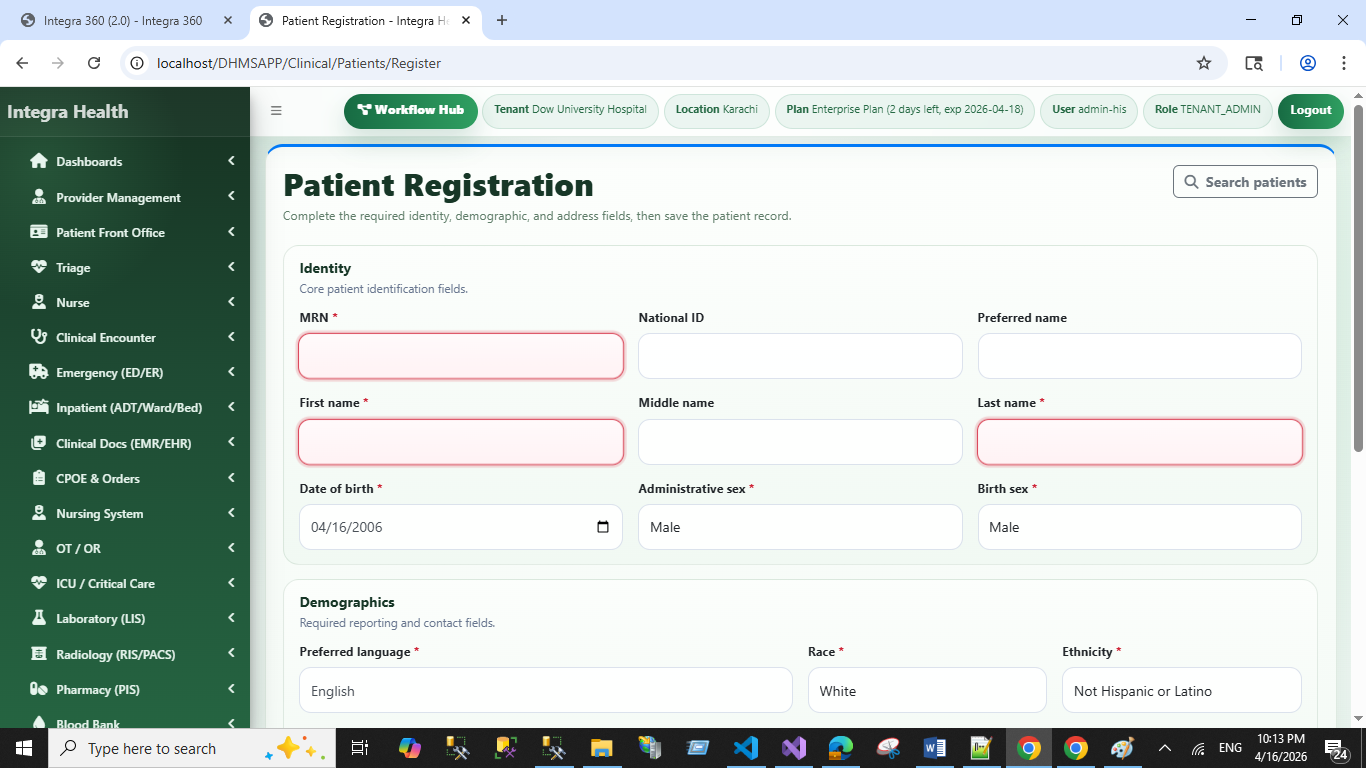
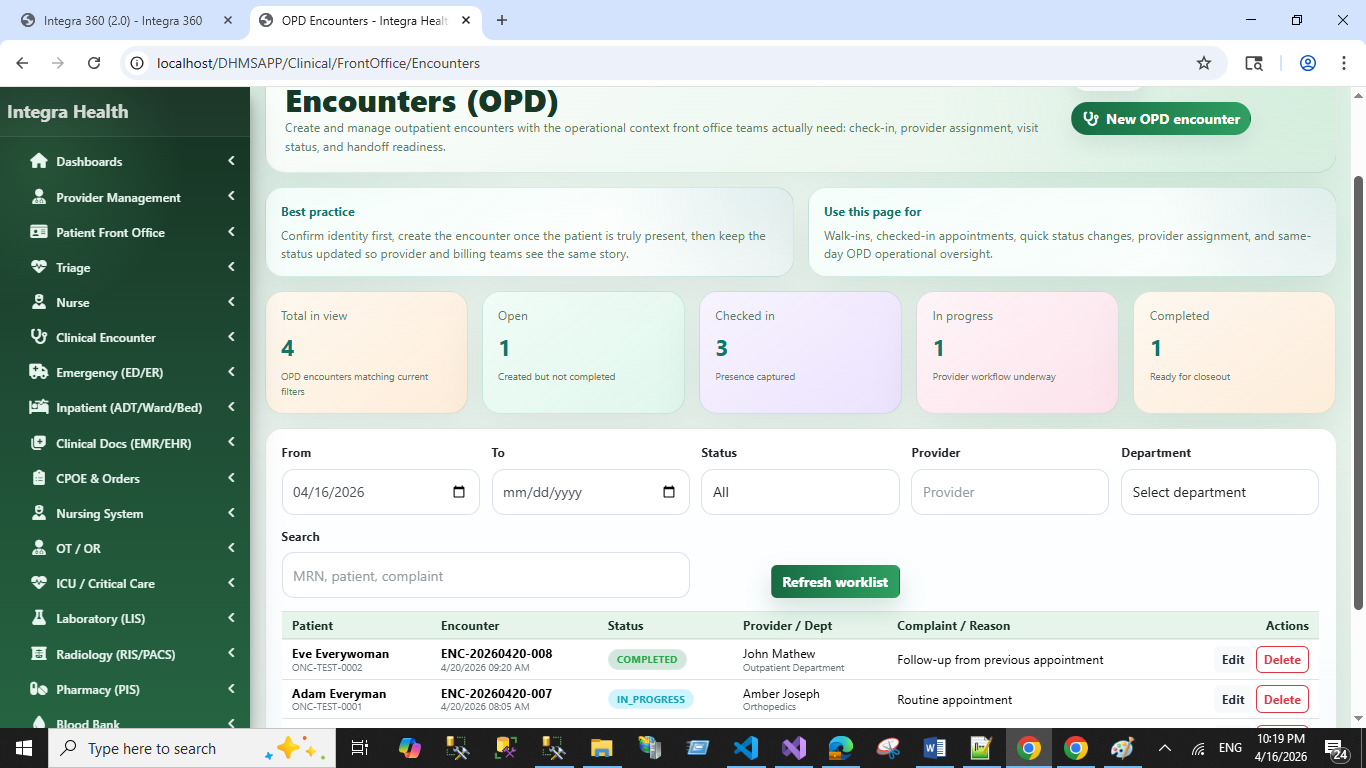
- Task routing, approvals, and notification workflows
- Business dashboards and automated reports
- Connected workflows across teams and systems
Establish the Current Baseline
Before automation, the current process can be measured through handling time, staff effort, backlog, errors, response time, missed tasks, and manual handoffs relevant to the selected workflow.
Connect Departments Without Hiding Ownership
Forms, business rules, approvals, notifications, tasks, documents, APIs, dashboards, and reports can coordinate work while preserving named owners, deadlines, exceptions, and audit history.
Use AI Only for Suitable Steps
AI can assist with classification, extraction, summarization, draft preparation, or knowledge retrieval. Rules and human approvals remain appropriate for deterministic requirements and consequential decisions.
What the client receives
The approved scope can provide process analysis, a target workflow, forms and screens, automated routing, approval points, integrations, notifications, exception handling, dashboards, audit history, deployment, documentation, user training, and agreed measures for evaluating the result.
Start a Conversation
Select one process with visible business friction.
Share its trigger, steps, owners, systems, documents, exceptions, volumes, baseline performance, and desired result so the automation can be scoped and measured.
Book a free consultationBusiness Automation FAQ
Improving a cross-team business process
How is business process automation different from workflow automation?
Workflow automation focuses on the movement of a defined task. Business process automation can cover a broader end-to-end process across departments, systems, records, controls, and reporting.
Which process should a business automate first?
A practical candidate is frequent, measurable, sufficiently understood, and affected by repeated manual work, delays, errors, or poor visibility without requiring uncontrolled judgment.
Can several departments use the same process?
Yes. Roles, queues, approvals, deadlines, notifications, and dashboards can reflect each department while maintaining a shared process record.
How is business value measured?
Depending on the process, measures may include staff time, response time, backlog, error rate, manual steps, missed tasks, exception volume, or reporting availability.
Can AI handle all decisions in the process?
No. AI should be limited to approved tasks and should not replace required legal, financial, clinical, management, or other qualified judgment.
Can automation continue after the first release?
Yes. A measured pilot can be reviewed before adding more departments, integrations, rules, reports, or AI-assisted steps.